
Hue is most often associated with imperial palaces, royal mausoleums, and the quiet elegance of Vietnam’s former capital. Yet beyond its royal legacy lies another captivating chapter of the city’s story: a collection of French-era landmarks that introduced a new architectural language to Hue and have remained woven into its identity today.
More than historic structures, these places continue to define the rhythm, memory, and character of the city. Each one tells a story not only of the past, but of how Hue continues to evolve with grace.
1. Quoc Hoc Hue High School – A Legacy of Learning
Standing proudly along the Perfume River, Quoc Hoc Hue High School is one of the city’s most recognizable architectural icons. Its elegant red façade and classic colonial symmetry have made it a cherished landmark for generations.
The school holds deep historical significance as President Ho Chi Minh studied here during his youth. Today, it remains a symbol of academic excellence and national pride.
2. Hue Railway Station – Romance of the Journey
With its nostalgic charm and understated elegance, Hue Railway Station has long served as the city’s gateway for travelers arriving by rail.
In recent years, it has taken on new life through the Hue–Da Nang Heritage Train, a scenic route celebrated for its spectacular coastal views and its passage through the legendary Hai Van Pass. It offers a slower, more poetic way to experience Central Vietnam.
3. Truong Tien Bridge – Hue’s Enduring Emblem
No landmark is more closely tied to the image of Hue than Truong Tien Bridge, arching gracefully across the Perfume River.
Originally built during the French colonial era, the bridge has become an enduring symbol of the city itself. By day it appears delicate and refined; by night it glows with light and reflection, embodying Hue’s gentle romance.
4. Azerai La Residence Hue – Timeless Art Deco Sophistication
One of Hue’s finest examples of French-era architecture, Azerai La Residence Hue is celebrated for its striking Art Deco design and elegant riverside presence.
Originally built as the residence of the French Resident Superior, the property has since been transformed into one of Vietnam’s most distinguished luxury hotels, where heritage architecture meets contemporary refinement.
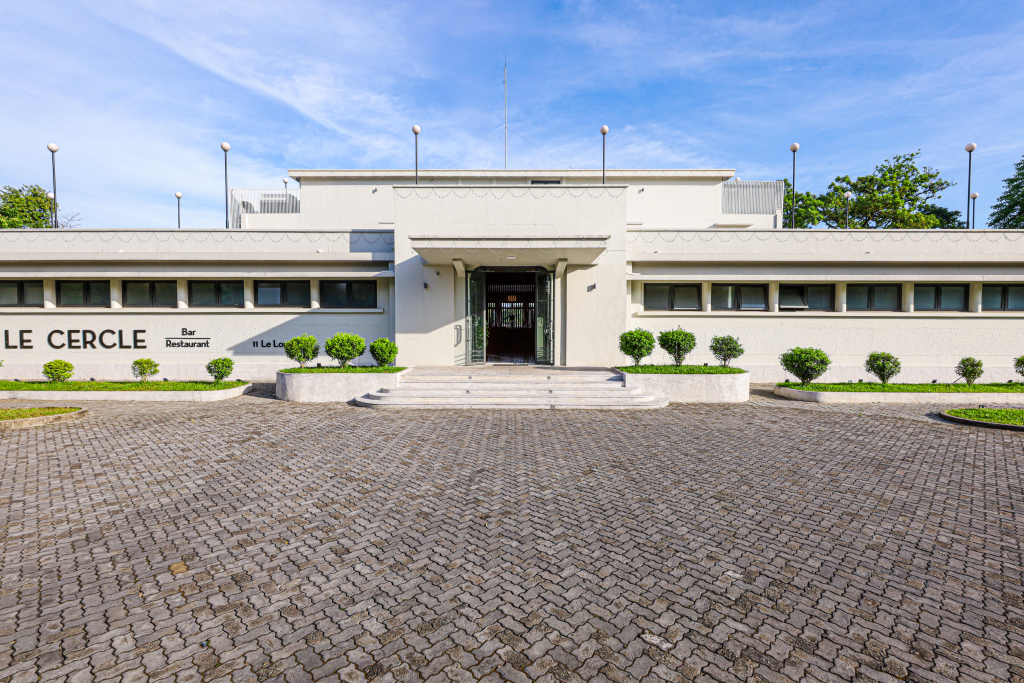
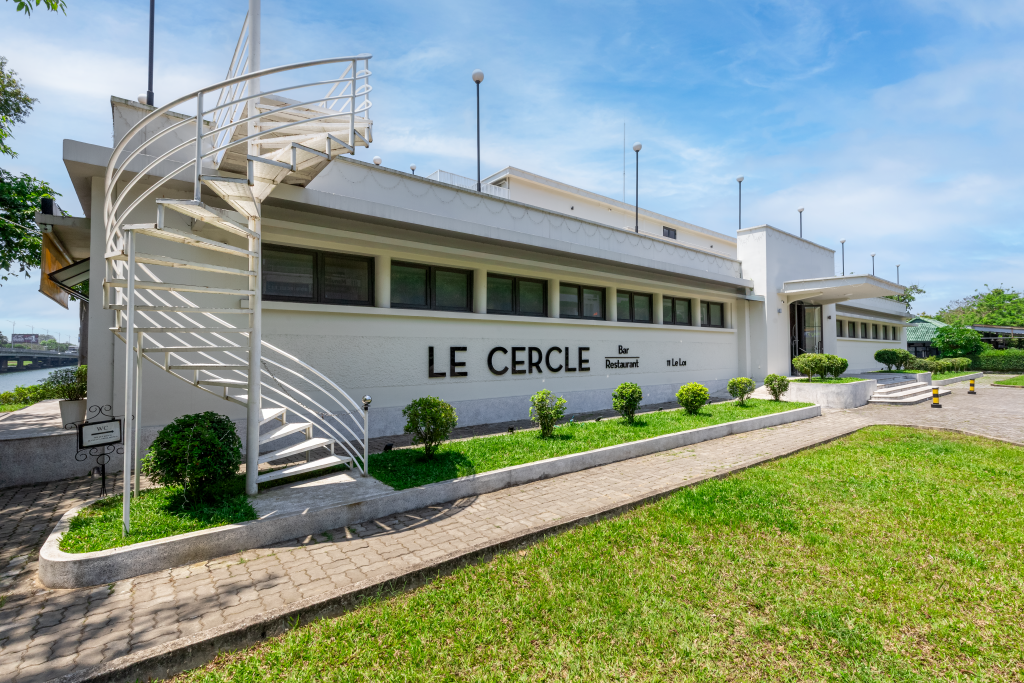
5. Le Cercle Hue – Where History Becomes Part of the Experience
Some landmarks are admired from the outside. Le Cercle Hue is one to be lived from within.
Few visitors realise that Le Cercle was once an exclusive sports club for the French elite, a gathering place for those who embraced leisure, elegance, and an active social life.
Its exceptional setting on the banks of the Perfume River was intentional. Le Cercle remains one of the only colonial-era buildings in Hue constructed so close to the water, designed specifically to support riverside recreation and water sports — most notably kayaking.
It is easy to imagine another era here: boats launching directly from the riverfront, afternoon conversations on the terrace, and the effortless sophistication of colonial society beside the water.
Today, Le Cercle has been thoughtfully reimagined as one of Hue’s most distinctive lifestyle destinations. Home to a refined restaurant, an elegant café, and a rooftop bar with sweeping views of Truong Tien Bridge, it invites guests to experience heritage not as something distant, but as something alive.
A sunset cocktail above the river.
An elegant dinner in a storied setting.
A moment suspended between past and present.
Hue – A City That Carries Its History Beautifully
Some cities preserve history behind museum walls. Hue allows its heritage to remain part of everyday life—through schools, stations, bridges, and riverside landmarks that continue to serve the present with quiet dignity.
In Hue, history is not merely remembered. It is lived.
Based on a writing of Jim Sullivan: THE 5 MOST INTRIGUING COLONIAL FRENCH BUILDINGS IN HUE – Huong Giang Tourist
